A dental implant replaces a missing tooth from root to crown. It restores the visible tooth and the support structure beneath the gumline. But what are dental implants made of?
Most modern dental implants are made of titanium or zirconia. Each implant has three main parts: the post, the abutment, and the crown. These materials are biocompatible, which means they are designed to work safely with the human body.
Quick Answer: Dental implants are made from biocompatible materials such as titanium, zirconia, porcelain, and ceramic. A dental implant has three main parts: the post placed in the jawbone, the abutment that connects the post to the crown, and the custom crown made from porcelain, zirconia, ceramic, or another strong dental material.
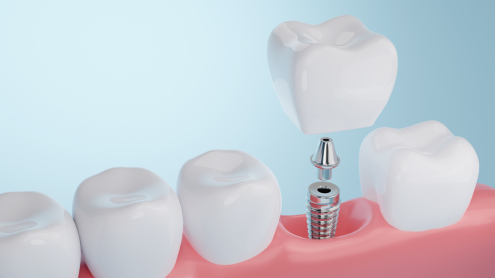
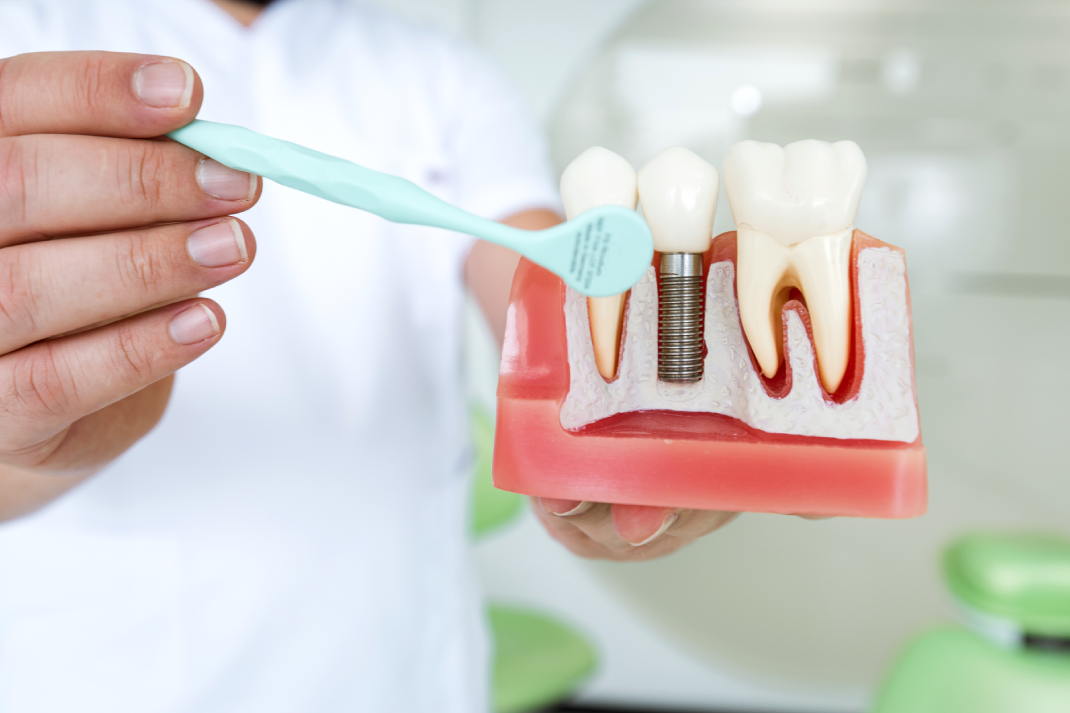
A dental implant replaces a missing tooth from the root to the visible crown. It has three main parts: the implant post, the abutment, and the crown. These parts work together to restore chewing support, appearance, and tooth function.
Implant Post
The implant post is the foundation of the dental implant. It is placed inside the jawbone and acts like an artificial tooth root. The post supports the replacement tooth and helps stimulate the jawbone, which supports long-term bone strength.
Implant posts are usually made from titanium or zirconia. After placement, the post bonds with the jawbone through a healing process called osseointegration. This process often takes 3 to 6 months, depending on bone health, the healing response, and the overall treatment plan.
Abutment
The abutment is the connector between the implant post and the visible replacement tooth. After the implant post has healed, the dentist attaches the abutment to the post to support the final crown.
Abutments are often made from titanium, zirconia, or gold alloy. The right material depends on the patient’s bite strength, gum position, tooth location, and final crown design.
Crown
The crown is the visible part of the dental implant. It is custom-made to match the shape, size, and shade of the surrounding teeth.
Implant crowns are often made from porcelain, zirconia, ceramic, or porcelain fused to metal. The dentist selects the crown material based on tooth location, bite pressure, appearance goals, and long-term durability.
Dental implant materials are chosen for their strength, safety, and their ability to bond with bone and gum tissue. The two main materials used for implant posts are titanium and zirconia.
The U.S. Food and Drug Administration classifies dental implants as medical devices and reviews approved implant systems for safety and effectiveness. Both titanium and zirconia implants are used in dentistry when approved dental systems are selected.
Common dental implant materials include:
- Titanium: The most widely used implant material, with decades of clinical use.
- Zirconia: A metal-free ceramic option with a white, tooth-colored appearance.
- Porcelain: Often used for implant crowns because it creates a natural look.
- Ceramic: Used in some crowns for strength and appearance.
- Gold alloy: Sometimes used in abutments for strength, stability, and biocompatibility.
Each material has a specific role in implant treatment. The post needs strength and bone compatibility, the abutment needs stability, and the crown needs durability, proper fit, and a natural appearance.
Titanium and zirconia are the two main materials used for implant posts. Both are used in modern implant dentistry, but each serves different patient needs.
Feature | Titanium Implants | Zirconia Implants |
Material | Metal alloy | Ceramic |
Color | Gray | White, tooth-colored |
Strength | High | High |
Design | Often two-piece | Often one-piece, though newer systems vary |
Best For | Standard implant cases, back teeth, multiple implants, and full-arch treatment | Metal-free preference, visible gum areas, and selected single-tooth cases |
Clinical Track Record | More than 50 years | Shorter history than titanium |
FDA-Regulated | Yes, when used as part of an approved implant system | Yes, when used as part of an approved implant system |
Titanium implants remain the gold standard in modern dentistry. They bond reliably to bone, last for many years with proper care, and work well for single-tooth, multiple-implant, and full-arch treatments.
Zirconia implants suit patients who prefer a metal-free option or have known metal sensitivities. Their white color also helps when the gum tissue is thin or the implant area is highly visible.
What Materials Are Used for Dental Implant Crowns?
The implant crown is the visible part of your tooth replacement. Crown material affects appearance, strength, wear resistance, and cost.
Porcelain Crowns
Porcelain crowns create a natural-looking tooth surface. They reflect light in a way that resembles natural enamel and resist staining better than many other materials.
Zirconia Crowns
Zirconia crowns are strong ceramic restorations. Solid zirconia works well for back teeth, where chewing pressure is higher. Layered zirconia offers a more natural appearance for front teeth.
Porcelain-Fused-to-Metal Crowns
Porcelain-fused-to-metal crowns combine a metal base with a porcelain outer layer. They offer strength, but a thin metal line might appear near the gum edge over time.
Lithium Disilicate Crowns
Lithium disilicate, often known as E.max, is a ceramic crown material used for strength and appearance. Dentists often choose it for front teeth or visible areas because of its translucent finish.
Your dentist selects the crown material based on tooth position, bite force, gum line, smile goals, and your overall treatment plan.
Dental implant materials are tested for biocompatibility, strength, and long-term safety. The American Dental Association recognizes dental implants as a safe and effective tooth replacement option supported by decades of clinical research.
Safety features of common implant materials include:
- Biocompatibility: Titanium and zirconia are designed to work safely with bone and gum tissue.
- Corrosion resistance: Dental implant materials resist corrosion and do not rust inside the mouth.
- Strength: Implant materials are designed to handle daily chewing pressure.
- Long-term durability: Implant posts often last for decades with proper care.
- Metal-free option: Zirconia offers an alternative for patients with metal sensitivity concerns.
Dental implant complications are uncommon when treatment is carefully planned and performed. Possible risks include infection, nerve irritation, sinus issues, or implant failure. A detailed exam, 3D imaging, good oral hygiene, and regular follow-up visits help reduce these risks.
Dental implant posts often last for decades with proper care. In many cases, the post lasts a lifetime. The crown usually needs replacement sooner because it handles daily chewing, grinding, and wear.
General lifespan expectations include:
- Implant post: 20 years or longer with proper care.
- Abutment: Many years, depending on bite force, material, oral hygiene, and maintenance.
- Crown: 10 to 15 years before replacement in many cases.
Your daily habits affect implant lifespan. Brush twice a day, floss around the implant, attend routine dental visits, and avoid using your teeth to open packages or bite hard objects. If you grind your teeth, your dentist might recommend a night guard to protect the crown and implant restoration.
The material used for a dental implant plays an important role in how the replacement tooth looks, feels, and functions over time. Titanium, zirconia, porcelain, ceramic, and lithium disilicate each serve a specific purpose in implant treatment, from supporting the jawbone to creating a natural-looking smile.
The right choice depends on more than the material name. Your dentist needs to evaluate your bone health, gum tissue, bite pressure, tooth location, and appearance goals before selecting the post, abutment, and crown. With the right planning, dental implants offer a stable, durable, and natural-looking solution for replacing missing teeth.
If you are considering dental implants, schedule a consultation at Legacy Dental in Salt Lake City, UT. Dr. Cameron Call and the Legacy Dental team will evaluate your teeth, jawbone, gum health, bite, and smile goals before recommending a treatment plan.
Legacy Dental provides restorative dental care with personalized treatment planning, advanced technology, and a focus on patient comfort. Visit 1345 East 3900 South, Suite 116 Salt Lake City, UT 84124, or call 8012784223 to schedule your consultation.
Most dental implant posts are made of titanium, a strong, biocompatible metal. Some implant posts are made from zirconia, a white ceramic material. Both materials are used in modern implant dentistry.
Yes. Titanium has been used in dental and medical implants for more than 50 years. It is biocompatible, corrosion-resistant, and bonds well with bone through osseointegration.
Titanium has the longest clinical track record and high strength. Zirconia also offers strong performance, but your dentist will recommend the best option based on your bone health, bite force, tooth location, and treatment goals.