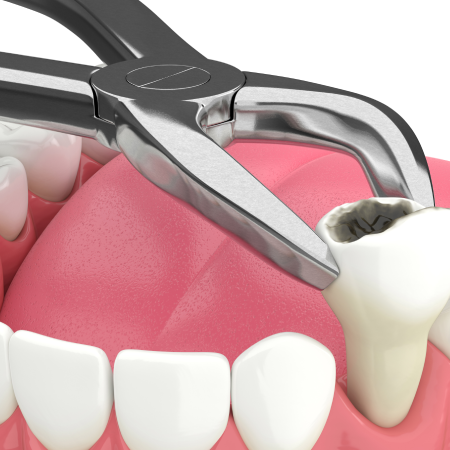
Healing after a tooth removal follows clear stages. How long a tooth extraction takes to heal depends mostly on the type of extraction you had and how closely you follow aftercare. A simple removal closes faster than a surgical one, though both reach full recovery within a similar window.
This guide breaks down the healing timeline, the factors behind faster or slower recovery, and the steps you should take to protect the site and stay comfortable.
Right after your dentist removes the tooth, a blood clot forms in the empty socket. This clot protects the bone and nerve underneath and supports new tissue growth. Your body then repairs the area in stages:
- Gum tissue begins closing over the socket within the first week.
- Soft tissue fills most of the opening over two to three weeks.
- Bone underneath rebuilds over several months, long after the surface looks healed.
Most sockets heal predictably when the clot stays in place. Protecting the clot during the early days shapes your entire recovery.
- Weeks 3 to 4: The gum surface looks close to normal, with the opening nearly closed. Sensitivity continues easing, and daily brushing around the site feels comfortable again.
- Months 3 to 6: Bone fills in completely beneath the gum, restoring full strength to the area. This deeper healing finishes long after the surface looks and feels normal.
So, how long does a tooth extraction take to heal on the surface? Around two to three weeks for soft tissue, with bone healing continuing underneath for several months. You will feel comfortable well before the deeper healing finishes.
The type of procedure sets the pace of your recovery.
Feature | Simple Extraction | Surgical Extraction |
What it involves | Your dentist loosens a visible tooth and removes it with forceps | Your dentist removes a tooth below the gum line or one broken into pieces, or sometimes an impacted wisdom tooth |
Incision and stitches | None | Incision and stitches needed |
Gum closing time | Three to five days | Two weeks or more |
Discomfort level | Mild, fades quickly | Moderate, lasts longer |
Common use | Loose or fully erupted teeth | Impacted, broken, or buried teeth |
Two people with the same procedure often heal at different speeds. Your recovery depends on:
- Extraction type: Surgical sites need longer than simple ones.
- Tooth location: Lower molars and back teeth take more time than front teeth.
- Age: Younger patients often rebuild tissue faster.
- Health conditions: Diabetes, a weak immune response, and certain medications slow repair.
- Smoking: Tobacco reduces blood flow and delays healing.
- Aftercare: Following instructions helps protect the clot and shorten recovery.
Smoking deserves extra attention. The suction and chemicals raise your risk of a painful complication called dry socket.
You influence your recovery more than any other factor. These steps protect the site and lower your risk of complications:
- Gently bite on the gauze for the first hour to control bleeding.
- Rest for the first 24 hours, keeping your head elevated with pillows.
- Apply an ice pack in 20-minute intervals to limit swelling.
- Eat soft foods such as yogurt, mashed potatoes, and scrambled eggs.
- Avoid straws, smoking, and spitting for several days to keep the clot in place.
- Skip vigorous rinsing on the first day, then use warm salt water rinses afterward.
- Keep brushing your other teeth, but avoid the socket area until it closes.
For a complete list of habits to follow and avoid, review our dos and don'ts after an extraction.
Most people resume light activity within a day or two and return to work quickly after a simple extraction. A surgical extraction requires two to three days of rest before heavier activity. Hold off on intense exercise for about a week, since raised blood pressure could disturb the clot. Listen to your body. If the site throbs or bleeds after activity, scale back and give it more time. Steady, patient recovery protects your result and lowers your risk of setbacks.
Healthy healing means less pain with each passing day. Contact your dentist if you notice:
- Pain getting worse after day three instead of better.
- An empty-looking socket with visible bone, a sign of dry socket.
- A bad taste or foul odor coming from the site.
- Bleeding past 24 hours or growing swelling.
- Fever or swelling spreading to your jaw or face.
Dry socket is the most common setback after a removal. Quick treatment relieves the pain and supports steady healing.
How long a tooth extraction takes to heal depends on the type of procedure and your aftercare. Expect the soft tissue to close within two to three weeks, while the bone rebuilds underneath over several months. Protect the clot, eat soft foods, and watch for warning signs to recover on schedule. Recovery rarely follows one fixed timeline, so personal guidance matters.
The team at Legacy Dental in Salt Lake City supports you through every stage, from a comfortable procedure to a smooth recovery.
Ready to move forward with confidence? Schedule your visit with Legacy Dental today and let our experienced Salt Lake City team guide you through a comfortable extraction and a smooth recovery. We answer your questions, protect your healing at every step, and help you smile with renewed health and confidence.